
June 29, 1996. Saturday morning. I'm fourteen years old in the passenger seat of my dad's reddish Dodge Colt w/ the peeling paint. We're driving to SeaTac Airport & neither of us is talking.
He'd gotten up before dawn, sent me on a long run through trails near Federal Way to tire me out, and now he was delivering me to what he believed was the opportunity of a lifetime - Northwest Flight 154 to Lake Placid, New York, where the US Olympic Training Center had agreed to let me join their speed skating program.
I had zero interest in any of it.
My dad had been fighting this battle w/ me for weeks. He'd say "chances don't come around every day" and I'd say "I don't care, I'm not going." He was a single father from Japan who cut hair for a living, and he could see the neighborhood in Federal Way was pulling me somewhere that scared him. He was willing to be separated from his only son at fourteen bc he genuinely believed it was the right thing.
I just wanted to hang out with my friends. It was summer.
We wrestled the luggage out at the curb. "Good luck, Apolo." Gave me a hug.
"All right, Dad, whatever."
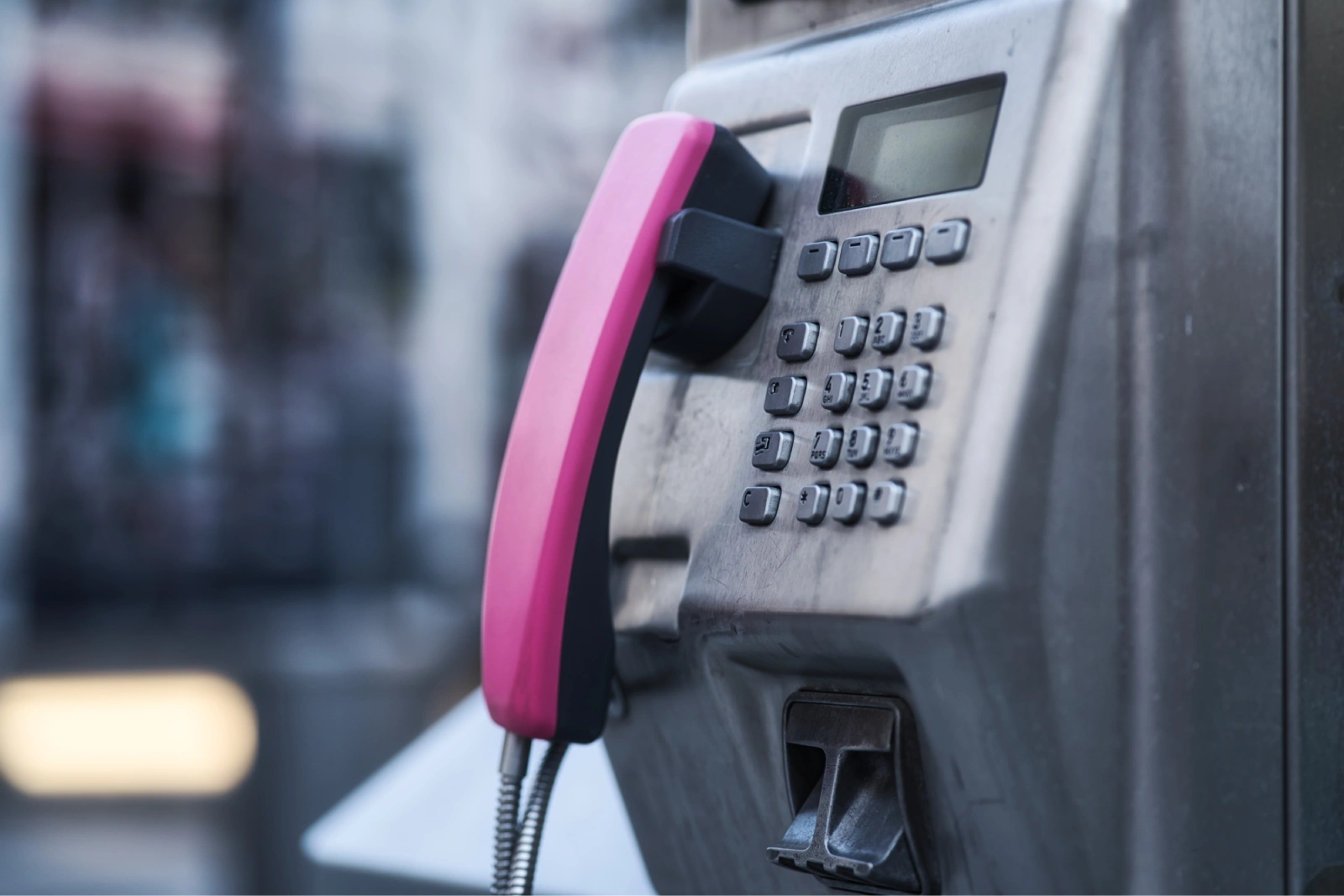
He turned and walked back to the Colt - salon appointment at one-thirty. I grabbed my bags, watched him pull away, killed a few minutes to be sure he was gone. Then I walked directly to a pay phone, dropped a quarter in, and called a friend.
"Yo, I'm at Sea-Tac. Come get me. My dad brought me here so I could go to someplace in New York. I'm not going."
For the next week or so I bounced from friend's house to friend's house across the Seattle area. Parties, barbecues, the fair, movies.
One night in Federal Way, the next in South Seattle. No schedule, no rules. I even snuck home to grab clothes when I knew my dad was working, and I'd accidentally-on-purpose left a list of my friends' phone numbers in my bedroom.
Meanwhile my father believed I was in Lake Placid training to become an Olympic speed skater.
That lasted until Pat Wentland, head coach, called my dad's house. "Mr. Ohno, the invitation to Apolo is still open. We just haven't heard from you."
"What? You lost my son?"
He figured out which friend's house I was at, drove over, rang the doorbell. I walked into the front hallway and my father was standing there in the doorway, shadowed in the bright sun, crying.
He said "Apolo, you have to come home." Nothing about the opportunity I was throwing away, nothing about how stupid I was being. Just that.
I looked at him, eyes cold the way only a fourteen-year-old can be, and said "No, I'm not coming home."
He turned and walked back to that Dodge Colt.
Three days later he found me again. This time he said "Apolo, you have to come home with me right now."
And I did. It was simply time.
July 8 was a Monday. Northwest Flight 68 left Seattle that morning for Detroit.
But instead of dropping me off at the curb like last time, my dad parked in the airport lot. He walked w/ me to the gate. He walked me to my seat.
And then he sat down too.
It wasn't until that moment I realized what was happening. This time my father was going with me.
He'd bought himself a ticket, which for a guy cutting hair in Federal Way was not a small thing. We flew to Detroit, then Albany, rented a car & drove through the Adirondacks to Lake Placid. The only conversation came when I volunteered how awful all of this was.
"The air is clean here," he said.
"It's clean in Seattle," I said.
He walked me into the training center, shook Pat Wentland's hand, looked over at me, and said to Pat - "Good luck." As in, good luck w/ this kid bc you're going to need it.
Pat shot us a look that said it all.
My dad stayed six days. Bought me a road bike for $623.28 so I could train w/ the other athletes who had custom machines worth thousands.
On my second day I rode w/ the group and didn't feel a thing. Pat told my dad I could be one of the best skaters in the world. My dad said he didn't know if I'd stay three months.
"If you can keep him that long," he said, "I'll be happy."
And then he flew home to Seattle and I was on my own.
I think about that payphone call probably more than any single moment in my life. Not bc it's a great rebellion story or bc it has a tidy ending - I went on to win eight Olympic medals, sure, but that's not why it still follows me.
It still follows me bc of what my dad did the second time. He didn't lecture me, didn't punish me, didn't shame me for the week I spent bouncing around Seattle while he thought I was in New York. He showed up crying, said come home, and when I said no he walked away & gave me three more days. Then he bought a plane ticket he couldn't afford, sat down next to me, and flew across the country.
That's what I carry w/ me now when I'm standing on stages talking about leadership & performance. The thing my dad understood at a gut level that most of us struggle w/ in boardrooms and locker rooms and families - you can't force someone into their own potential. You can position them, you can show up, you can sit in the seat next to them & make the drive through the mountains together, but at some point the choosing has to be theirs.
He didn't rescue me from my own bad decision. He made it impossible for me to make that bad decision without seeing what it would cost - not him, but me.
I talk to executives all the time who are wrestling w/ some version of this, the develop-without-controlling thing, the hold-standards-without-crushing-autonomy thing, the let-someone-struggle-enough-to-grow-without-letting-them-blow-up-their-career thing. And honestly none of them frame it as cleanly as my dad lived it at SeaTac in '96, bc he didn't even know he was modeling leadership. He was just a single father w/ a salon appointment at 1:30 who cried in a doorway and then went back and bought the ticket anyway.
Most of us could have thrown everything away at fourteen and no one would have cared enough to buy a second ticket. One more week of pizza and parties and movies and maybe I never go to Lake Placid, never meet Pat Wentland, never step on Olympic ice. The margin between the life I have & the life I almost had is the width of a payphone call.
And the bridge between them was a hair stylist from Federal Way who couldn't really afford it.
I wrote about this in Zero Regrets - the cost of what competition demands & what it gives back. If you want the deeper version of these stories, Hard Pivot is where I put the stuff I don't say onstage.
--AAO