
Leading up to the 2010 Vancouver Games, I became obsessed with a math problem that didn't have a solution.
I had three goals for my final Olympic cycle: drop from roughly 157 lbs to somewhere around 145, maintain the explosive power I needed to pass skaters in the final 2-3 laps, and build an aerobic base deep enough to sustain me across multiple races over a compressed competition schedule. Three goals. All reasonable on their own. Totally at war with each other.
When I cut weight and my aerobic conditioning improved, my explosiveness disappeared. I felt lighter but slower through turns, like the engine had shrunk along with the body.
When I kept my strength and endurance up, the weight wouldn't budge. When I forced the weight down while trying to preserve power, my recovery cratered and my endurance fell apart within a week.
I remember writing target numbers on post-it notes and sticking them all over my house. The weight I needed to hit, the times I needed to skate. I was so hyper-focused on getting to a specific number on the scale that I was doing things that, looking back, weren't smart - training on top of the team's already brutal schedule. Two sessions with the Olympic squad, then one or two additional sessions on my own. Every day except Saturday and Sunday, which were supposed to be recovery but really weren't.
The temptation when you're facing something like this is to just work harder. That was my default for 15 years. Something isn't working, add more volume, more intensity, more hours. Grind until the math starts cooperating.
But the math doesn't cooperate when the variables are fundamentally in tension. You can't will your body into doing three contradictory things at once. I got down to 2.5% body fat for those Games. My body was screaming. I was operating on a razor's edge where one bad training day could cascade into a week of setbacks because there was no buffer left. No margin.
What I eventually had to accept - and this took me longer than it should have - was I couldn't optimize all three simultaneously. I had to choose two and let the third lag behind, at least temporarily.
Focus on weight and aerobic base through the summer. Phase power and explosiveness back in as competition season got closer. Accept there would be weeks where I felt slow, weeks where I felt weak, weeks where I felt heavy, and trust the sequencing would come together by February.
Not a fun realization for someone who's been told since he was 14 anything is possible if you just want it badly enough.
What I've landed on since is that excellence isn't about doing everything at once. It's about sequencing competing priorities so they build on each other instead of canceling each other out.
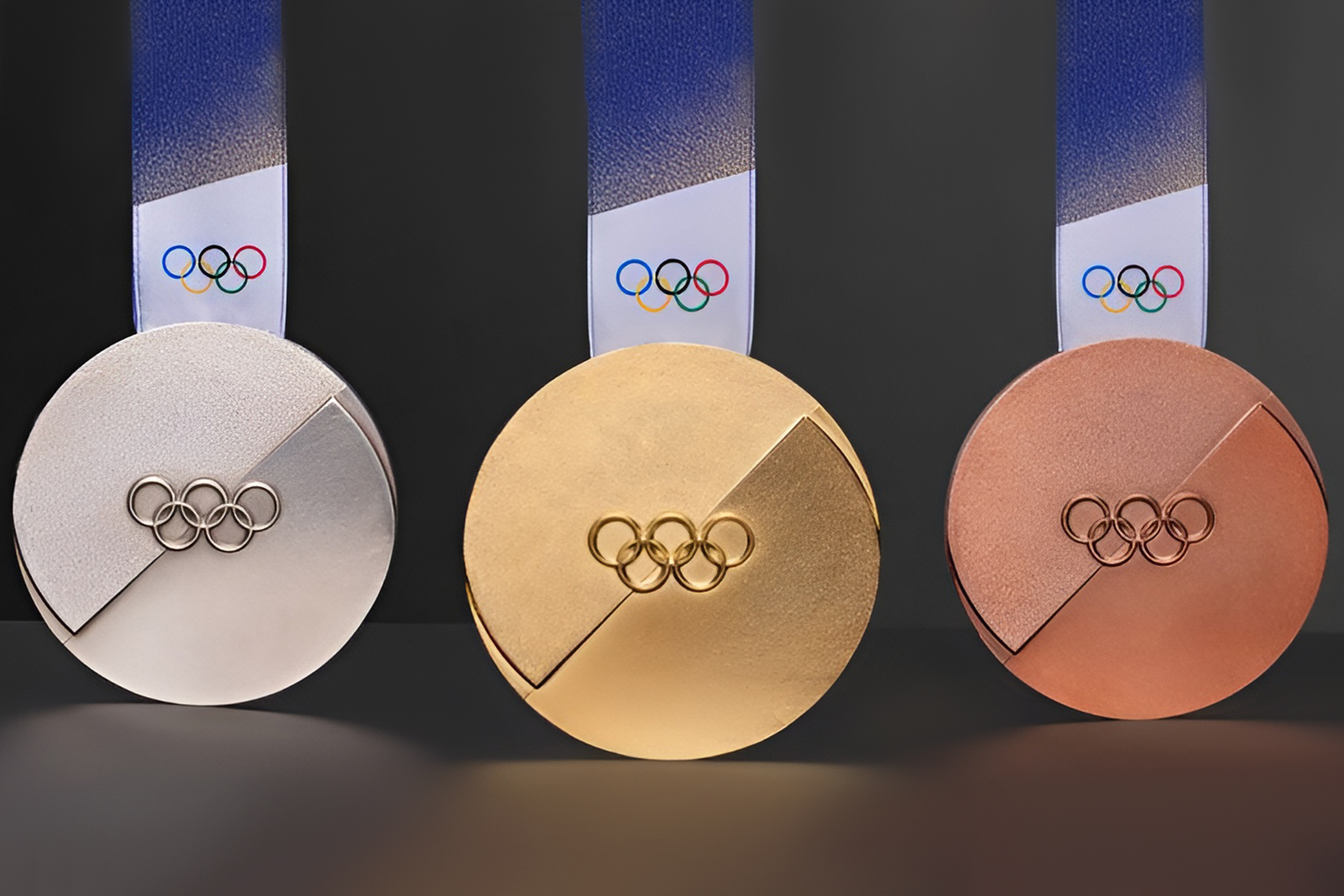
In Vancouver I won 3 medals, including silver in the 1500m. Not because I solved the impossible triangle - nobody does. But because I learned to work with it instead of against it. Accepted trade-offs as a feature of the preparation, not a failure of it.
In business it's usually some version of speed, quality, and cost. You can have two but not three. Ship fast and cheap but it won't be great. Ship fast and high-quality but it won't be cheap. Build something excellent at a reasonable cost but don't expect it next quarter.
I've spoken to hundreds of organizations since retiring, and the pattern is the same everywhere. The leaders who perform best can say "here's what we're prioritizing this quarter, here's what we're accepting will be imperfect, and here's the plan to phase the third thing back in when we have capacity." That takes a kind of discipline that feels counterintuitive because it means deliberately choosing to be worse at something for a period of time.
The leaders who struggle most are the ones who refuse to acknowledge the tension exists. They insist they can have all three, push their teams to deliver on all three simultaneously, and wonder why everything feels mediocre and everyone's burning out.
Progress almost never follows a straight line. It moves in phases. And the hard part isn't the work - it's having patience and clarity to know which phase you're in and what that phase requires, even when it means temporarily getting worse at something you care about.
I'm still learning that one, honestly.
Want the longer version of how I navigated the Vancouver cycle? Hard Pivot goes into the training details I don't cover onstage.
--AAO
Subscribe and get Chapter 1 of Hard Pivot free.
No spam. Unsubscribe anytime.