
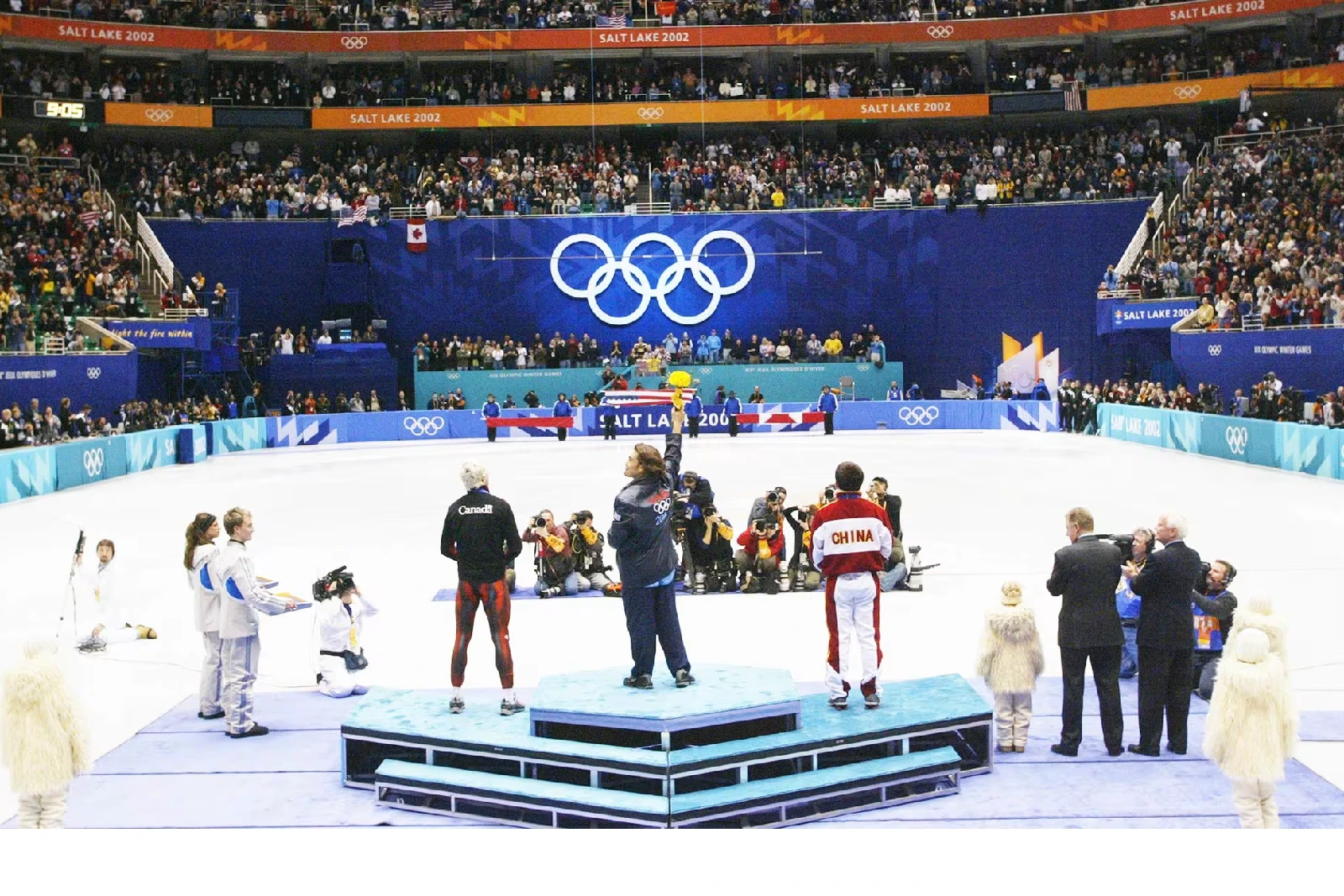
In my years training for the Olympics, I learned one truth the hard way: recovery is not a luxury. It’s part of the work, embedded deeply into the DNA of performance. When I talk about this today, whether in boardrooms, on stages as an Olympic speaker, or in conversations with leaders, I emphasize how counterintuitive this lesson once felt to me.
In sport, we are conditioned to believe that the path to greatness comes from pushing harder, grinding longer, and giving more. But elite performance doesn’t come solely from all-out effort. It’s built, reinforced, and locked in during intentional recovery. That’s the foundation of the Olympic mindset I carried throughout my career.
Recovery gives you the space to reconnect with purpose, reset your mental framework, and sharpen the clarity required for sustained excellence. It is in these deliberate pauses that long-term resilience is forged and true breakthroughs are born.
Early in my career, I made the mistake countless athletes, and countless professionals, make: believing that relentless output was synonymous with improvement. I pushed 100% every day, convinced that anything less was falling behind. The truth? That approach didn’t make me better. It made me slower, more fatigued, and mentally foggy.
True high performance requires cycles - periods of intensity followed by strategic restoration. This rhythm is where the real growth happens. When I speak about this today, particularly when people ask about Olympic inspiration, I always stress that greatness is built on discipline, not nonstop exertion. Recovery isn’t quitting. Recovery is recalibration.
Active recovery is one of the most powerful performance principles I carried from the ice into every part of my life. It’s the bridge between effort and improvement, and most people overlook it.
In elite sport, we called it active recovery: deliberate restoration that resets the body and brain for the next wave of training. It’s not passive. It’s not lazy. It’s not optional. It’s an intentional shift from output to alignment. Active recovery is where you zoom out, reconnect with your purpose, and return with clarity.
Professionals need this just as much as athletes do. For entrepreneurs, leaders, and teams, adopting this principle is part of developing an Olympic mindset - one that values longevity, consistency, and clarity over burnout disguised as ambition.
If you’re striving for long-term excellence, the space in between your sprints matters more than the sprint itself. Recovery is the multiplier that turns effort into sustained performance.
This is a question I ask often because it reveals more than people expect. Most high achievers can list everything they’re doing to push forward: the late nights, the early mornings, the nonstop emails, the back-to-back meetings. But very few can name what they’re doing to recover—and even fewer have a strategy.
To reach the top 1% in any field, you must recover faster and more effectively than the competition. This is one of the core messages I deliver as an Olympic speaker because it is the single greatest differentiator in high-performance environments. If you’re constantly in output mode, you’re playing short-term games with long-term consequences.
Your weekends are not bonuses, they’re built-in reset mechanisms designed to help you regenerate mentally, physically, and emotionally. In my Olympic training cycles, weekends and recovery days weren’t time off; they were part of the cycle that propelled me forward. Without them, the workload wasn’t sustainable. With them, performance skyrocketed.
For you, that might mean putting your phone down for a few hours. It might mean stepping away from blue light and stepping, quite literally, into natural light, even if it’s raining. It might mean movement, a quiet walk, deep conversation, or simply creating space for your mind to breathe. One of the most powerful sources of Olympic inspiration comes from understanding that clarity is a competitive advantage. And clarity is born in recovery.
Some of the most powerful recovery tools aren’t found in training rooms - they’re found in your everyday environment.
Some of the most transformative moments of my career didn’t happen on the ice; they happened outside the arena - surrounded by nature or grounded by people who made me better. Elite athletes know that recovery isn’t just physical. It’s relational. It’s emotional. It’s environmental.
When you spend time immersed in nature, your nervous system resets. Even a few minutes outdoors can calm the mind, regulate stress, and sharpen focus.
When you surround yourself with people who lift you higher, your perspective shifts. Supportive energy fuels better thinking, stronger resilience, and a more grounded sense of purpose.
When you disconnect from noise, even briefly, you reconnect with intention. This holistic approach to restoration is at the heart of my Olympic mindset, and it’s something I encourage every leader and team to prioritize.
When Monday comes, the scoreboard will reflect how well you trained last week, but your performance will be powered by how well you recovered over the weekend. This truth applies in every arena of life. If you want sharper thinking, faster decision-making, and higher-quality execution, you must protect your recovery with the same intensity you protect your workload - this is the core of the Olympic mindset.
The highest performers I’ve met in business and sport have one thing in common: they don’t chase burnout as proof of dedication. They chase balance as a strategy for dominance. They understand that sustainability is a competitive edge, and they treat recovery as a non-negotiable.
Not everyone recharges in the same way, and that’s the beauty of building your own system. Maybe you find clarity through movement, or through stillness. Maybe you recover best through connection, or through solitude. What matters is that you find what works for you and protect it fiercely.
Leaning into recovery doesn’t weaken your ambition; it supercharges it. The better you recover, the more completely you can show up. The faster you recover, the more consistently you can perform. This truth is woven into every chapter of my journey, and it’s why I speak so often about recovery when sharing an Olympic mindset with teams and leaders.
So smash your Friday. Finish strong. Empty the tank. But then - honor your recovery. Step back. Reset. Regenerate. And return on Monday with the clarity, energy, and purpose that give you an undeniable edge.
This is the truth I lived as an athlete. It’s the truth I teach now. And it’s the truth that will carry you forward if you embrace it fully. Train hard. Recover harder. That’s how champions are built.
About Apolo Ohno: Apolo Ohno is a sought-after keynote speaker and leadership advisor known for translating elite performance principles into practical leadership behaviors. His work focuses on authentic leadership, executive presence, and the Gold Medal Mindset - helping executives and teams perform with clarity under pressure, communicate with conviction, and lead with credibility when the stakes are high. In his keynotes and workshops, Apolo helps leaders identify the unseen patterns, narratives, and habits that quietly limit performance, then replace them with a repeatable system for focus, resilience, and decisive action.
Weekly on performance, mindset & what it takes to win when everything changes.
No spam. Unsubscribe anytime. Privacy
Or visit our newsletter page anytime →We just sent Chapter 1 of Hard Pivot to your inbox. Welcome to the newsletter.
Don't see it? Check your spam folder.