
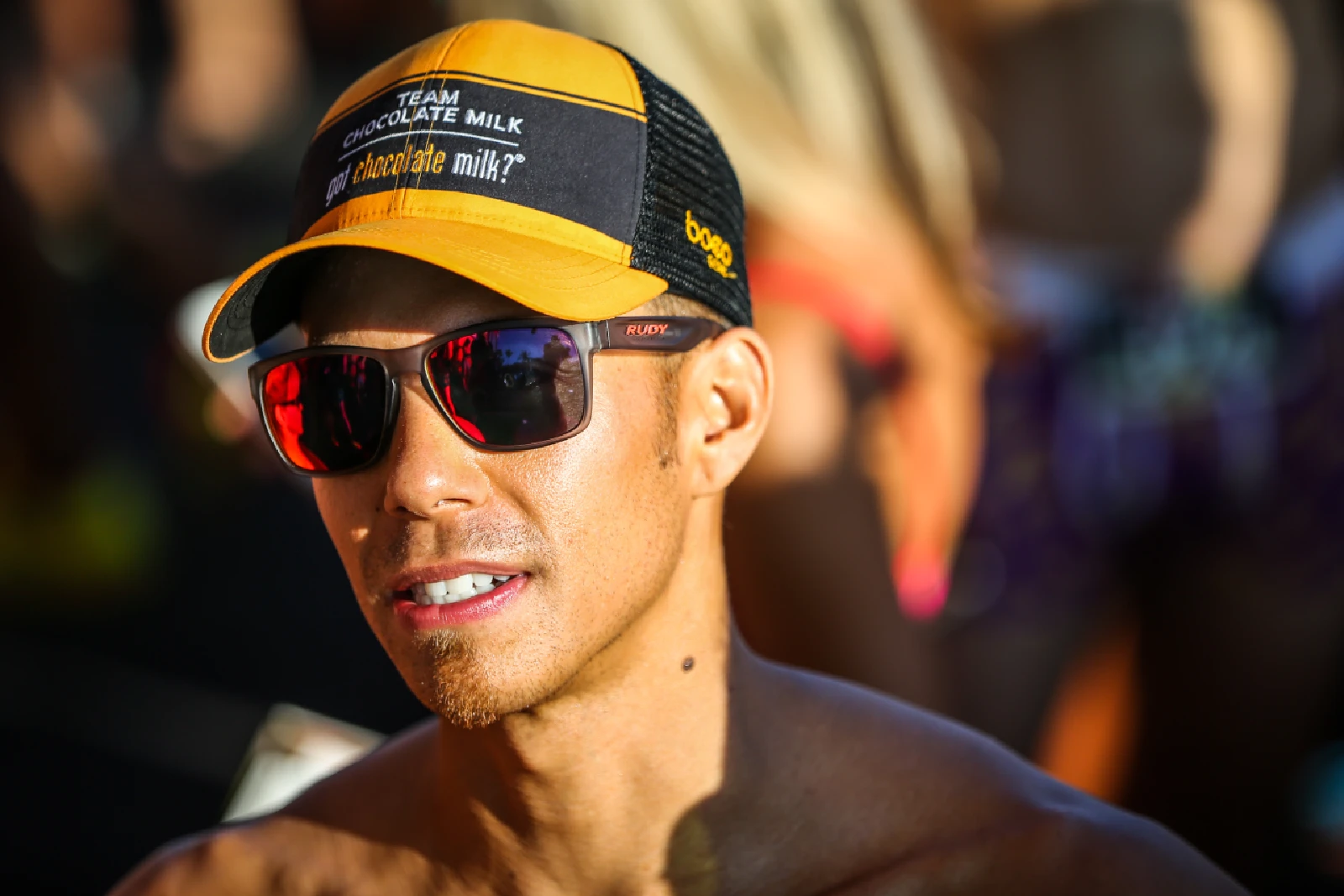
"I realized that the prize was not in fact winning medals, rather it was something much deeper: to look in the mirror and say that I gave all of myself in preparation for that moment." This is a truth forged on the short track ice, and it is the single most important lesson I translate to every leadership team and executive I work with. High performance is not about chasing the podium; it’s about mastering the systems that make winning inevitable.
In the training environment, and I mean the real one, the early mornings in Salt Lake City or the quiet, lonely laps leading up to Vancouver, you can’t hide from bad habits. And yet, I see the same destructive, unsustainable cycles playing out in organizations every day.
Do you wake tired even after a full night of rest? You smash coffee in the hope of something clicking. Each day, it takes more just to stay in the game. Your energy dips faster, your focus fractures, and cortisol skyrockets. The eye bags deepen, and the pressure never lets off; rather, it compounds. This widespread state of exhaustion is exactly why our focus on regeneration is a must. As you and the companies look to digest this information and insight from leaders in your field- my statement: genuine inspirational speakers are needed - not just to motivate, but to fundamentally rewire the systems that are causing the burnout in the first place.
You know something is off, but the world says, "Keep going, do not slow down, no time to breathe." Your internal true north guidance system is throwing up massive flares, but you keep overriding the warnings, which restarts the cycle over and over again. This is the struggle phase in perpetuity. You are defaulting to grind when you desperately need a system. You don't need more caffeine or brute force; you need a new, repeatable pattern for how your mind and body execute under demand.
My identity as an elite athlete was built on obsession, but my success was built on discipline - the ability to execute the same routine perfectly, every day. This required me to stop fighting my nervous system and start engineering it. These are the three structural components of the high-performance training cycles I used to maintain peak output for two decades, and they are the blueprint for high-functioning teams today:
This is not about working "harder," rather it's about architecting the optimal conditions and environment for your best work. I learned this when I realized the long hours didn't matter if the quality of focus was fractured. The solitude required for short track forces an extreme intentionality of time.
The idea that we push until we break is a recipe for burnout and failure. Optimal Flow is cyclic. Without the breaks or the release in tension, we burn out quickly in that "struggle and fight" mode. The pause allows for a crucial replenishment of the mental fuel that we earned. As Steven Kotler and Rian Doris describe in their work, high-performance individuals must schedule recovery as aggressively as they schedule work.
This isn't a passive rest where you just "turn off." This is a specific, active recovery session to strategically reset:
In the heat of competition - say, rounding the final turn in the 500m final in Torino, or preparing for the relentless pack racing in Vancouver - your mind defaults to your preparation. Leading up to my final Olympic run, I could feel something shifting. I used a ritualistic combination of "trigger words" and breathing to prime and prepare my brain for this new pattern of ultra-high performance.
"Zero Regrets" was my mantra. It was the internal two words that reminded me to focus on "process over prize." That story, and moments like it, now form the core of the material that we work through on stage with teams. In reality, the high performers. The winners, leaders, and of course leading inspirational speakers offer authentic, raw content that uniquely meets people where they are. My mantra was the final anchor: the quiet confirmation I gave all of myself.
At the highest levels of performance, whether on Olympic ice or inside a boardroom, the real victory isn’t the moment the world sees. It’s the moment you reclaim full authorship over how you show up. When you stop defaulting to adrenaline and start engineering your internal state with intention, everything changes: your clarity sharpens, your energy stabilizes, and your execution becomes consistently world-class.
The most transformational leaders I work with aren’t the ones who push the hardest - they’re the ones who understand their own system the deepest. They know how to shift from chaotic grind to deliberate Flow. They know how to build rituals, not rely on hope. And they recognize that high performance isn’t an accident; it’s a skill. This level of disciplined self-mastery is the exact blueprint we unpack on stage, forming the basis of my best inspirational talks for those serious about change. If you’re feeling the strain, the fragmentation, or the creeping exhaustion, consider it your internal signal - not of weakness, but of readiness. Readiness for a reset. Readiness for a new pattern.
Because when willpower fades, and it always does, your system is what carries you. Your rituals are what stabilize you. And your internal trigger is what brings you back into full alignment with the person you’re becoming. Reset your system, and you don’t just work better - you lead differently. You live differently. And you create a version of performance that is not only powerful, but sustainable, repeatable, and deeply yours.
About Apolo Ohno: Apolo Ohno is a sought-after keynote speaker and leadership advisor known for translating elite performance principles into practical leadership behaviors. His work focuses on authentic leadership, executive presence, and the Gold Medal Mindset - helping executives and teams perform with clarity under pressure, communicate with conviction, and lead with credibility when the stakes are high. In his keynotes and workshops, Apolo helps leaders identify the unseen patterns, narratives, and habits that quietly limit performance, then replace them with a repeatable system for focus, resilience, and decisive action.
Weekly on performance, mindset & what it takes to win when everything changes.
No spam. Unsubscribe anytime. Privacy
Or visit our newsletter page anytime →We just sent Chapter 1 of Hard Pivot to your inbox. Welcome to the newsletter.
Don't see it? Check your spam folder.