
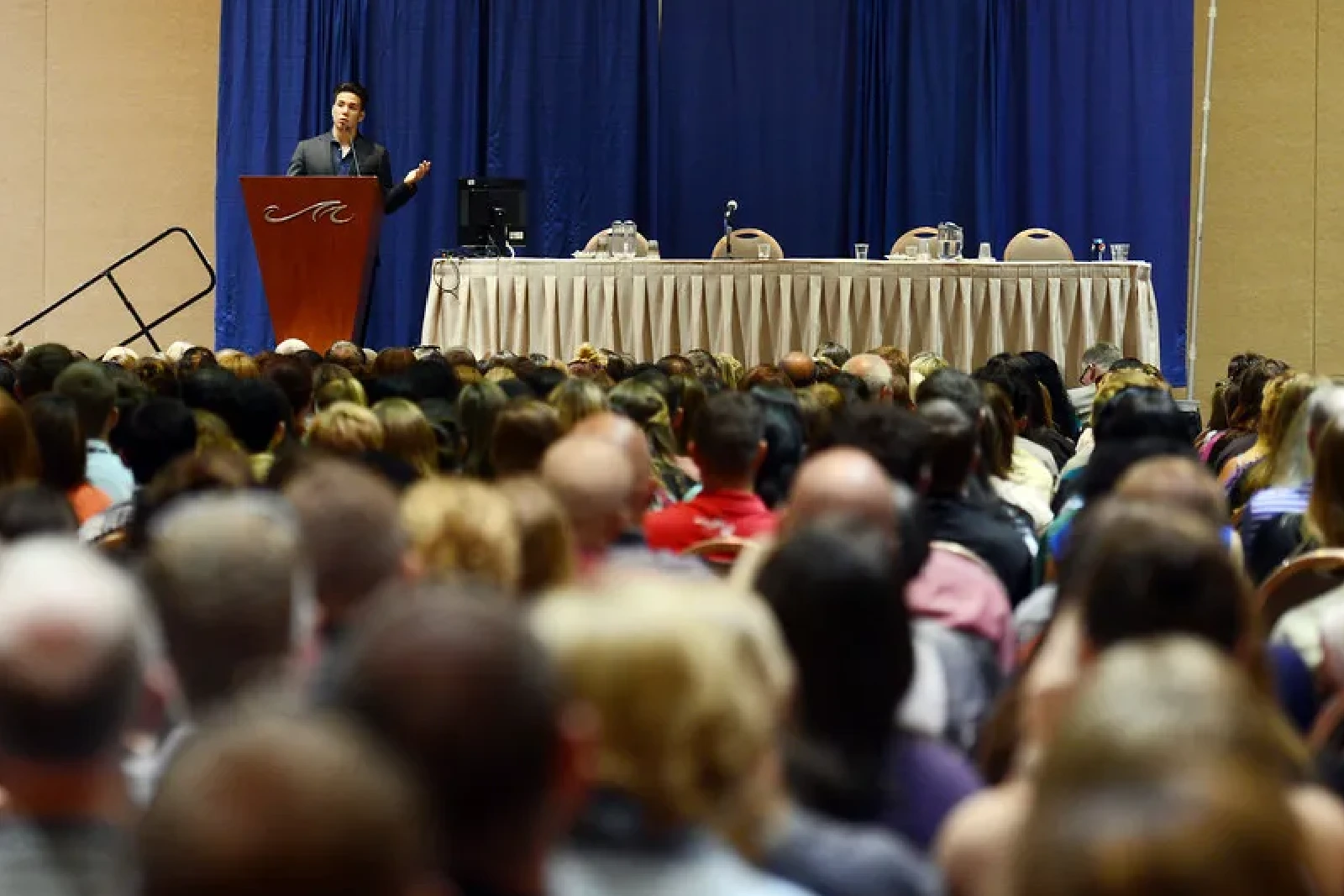
Technology is evolving faster than our ability to fully understand its impact, but few innovations have struck me as deeply as the advancements happening in AI therapy. Seeing Mental and Mentla (Mentla.com) included in a recent Reuters article felt like an important milestone - not just for the field, but for the larger conversation around mental health.
For the last 15 years I’ve obsessed about how to increase the mindset, quality of performance, and uplifting resilience as a motivational speaker and a founder who cares deeply about humanity’s emotional well-being, I’m convinced we must be thoughtful about how we build, guide, and distribute this technology. At the same time, I believe AI may be the most significant opportunity to transform mental health support that I’ve seen in my entire career.
We’re facing a mental health crisis unlike anything before. Suicide rates keep climbing, anxiety and depression are rising year after year, and access to care remains limited for millions. In moments like these, how we communicate to others has always been critical however how we also communicate to ourself is a missing link. In the corporate setting - both motivation and leadership matter - not just in organizations, but in how we design systems that can genuinely serve people. AI, when developed responsibly, can play a meaningful role in that mission.
What we’re dealing with today is not a subtle problem - it’s a crisis unfolding in plain sight. Society is struggling with severe mental health challenges on multiple fronts:
These issues are not abstract data points. They affect families, communities, schools, workplaces, and our broader culture. How we interpret and utilize this data is strictly within our perception & control. Now some of you may have asked “how can Apolo possibly help with this” as As a professional speaker who spends time working with high performers, I hear firsthand how many people feel overwhelmed and unsupported, therefore we strategize with human behavior changes first while moving to make real changes before we produce more damage than intended.
This is why thoughtful AI development is not optional - it’s a responsibility. If we have a technology that can meaningfully reduce suffering, increase access, or offer clarity in moments of confusion, then we need to explore it with serious intention.
AI will never replace the healing power of human connection. And it shouldn’t. But AI does bring several unique advantages that could dramatically expand our ability to support people.
Its strength doesn’t lie in empathy - it lies in pattern recognition, consistency, analysis, and the ability to push toward deeper psychological insight without fatigue, bias, or emotional limitations.
I’ve seen this firsthand. Mentla’s AI has surfaced critical insights for me - twice in moments when I needed guidance the most. It recognized patterns in my thinking that even I had overlooked. During workshops we are focused on lessening the gap between performing our best, or being paralyzed from taking action due to self imposed limitations, general unhappiness, or pure mental fatigue. Using sports psychology and motivational talks the main idea is that this supports others in their journeys, it was humbling to watch the technology reflect something back to me that changed the way I understood myself.
AI therapy tools offer:
This doesn’t replace a therapist - but it does fill gaps that human systems simply cannot fill alone.
As excited as I am about the opportunity, I’m equally aware of the responsibility. I’ve said before, and I’ll repeat it here: we must be thoughtful. Technology that influences people’s mental health carries weight. It requires careful leadership, transparency, ethics, and intention.
The mind is and always been the worlds greatest asset or the world strongest prison. When organizations are looking for a motivational speaker, I often talk about how good leadership isn’t just about vision - it’s about responsibility. And this technology demands a similar mindset.
Thoughtful AI development requires:
If we approach AI mental health tools with responsibility and humility, they can become powerful companions, not replacements, for human care.
I’ll be honest: even as someone involved in this space, I didn’t expect to be personally impacted by the technology. But the insight Mentla’s AI gave me, twice, stopped me in my tracks. It uncovered something essential about my internal patterns, something I wasn’t fully acknowledging, and something I needed to confront.
This is where AI shines. Not in emotional bonding, but in illuminating the blind spots we struggle to see in ourselves.
That clarity matters. It creates momentum. And momentum is the foundation of change, whether you’re rebuilding mental stability or seeking to break glass ceilings, it starts with pursuing motivation and leadership at the highest level.
I’m going to break down the details more in future posts, but here’s the truth I keep coming back to:
We are standing at a unique intersection of crisis and opportunity.
On one side: A mental health emergency that continues to worsen.
On the other side: A technology that, if used responsibly, can help millions feel seen, supported, and understood.
My belief is simple: we must build with intention.
We need leaders, not just coders, who understand the emotional weight of the problems we’re solving. We need insight, care, responsibility, and courage. And we need to pair human compassion with technological precision.
AI therapy isn’t a magic fix, but it is a powerful tool. In an era when mental health challenges are escalating, and access to care remains limited, the thoughtful use of AI can help bridge the gap in ways we’ve never seen before.
In the board rooms, sales teams look for inspiration and tactical guidance to get results. In order to do this, we must also take care of our basic human needs, which in a fast-moving society - get left behind. The last 15 years has been spent harnessing these tactics as a motivational speaker who has spent years helping people understand themselves, grow, and heal, I believe AI can complement that human effort - not compete with it. I see the responsibility we carry to guide this technology wisely.
The future of mental health must be human-centered, ethically grounded, emotionally aware, and technologically empowered.
And if we get it right, we won’t just build better tools, we’ll build a better world.
Weekly on performance, mindset & what it takes to win when everything changes.
No spam. Unsubscribe anytime. Privacy
Or visit our newsletter page anytime →We just sent Chapter 1 of Hard Pivot to your inbox. Welcome to the newsletter.
Don't see it? Check your spam folder.